
The following information comes from the excellent Longshore Soldiers by Andrew J. Brozyna and from his website longshoresoldiers.com (no longer in operation). ‘519th Port Battalion Transportation Corps Regiment’ by Everette F. Coppock III and https://519transportationassociationthailand.webs.com/519thtransbnhistory.htm (no longer in operation) were also used.
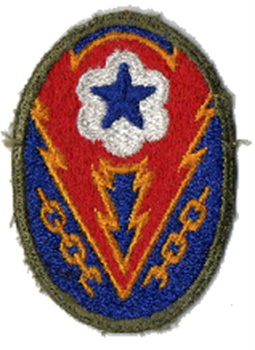
The 519th Port Battalion was activated on 25th June 1943 and comprised of 302nd, 303rd, 304th, 305th Port Companies as was the Headquarters and Headquarters detachment. The first recruits arrived at Fort Indiantown Gap, Pennsylvania in July and August 1943 where in addition to their basic army training, they learned to operate winches and other equipment, rigging, stowing, and warehousing. They were split between onboard crews and dockside and warehouse crews. Training aimed to improve speed and efficiency in loading and unloading ships of the incredible array of military material and supplied being transported around the world.
The importance to shipping to the Allied war effort cannot be stated enough. The work of these men, and most importantly their skill and efficiency, was vital to ensure the complex global shipping plans could be fully utilised.
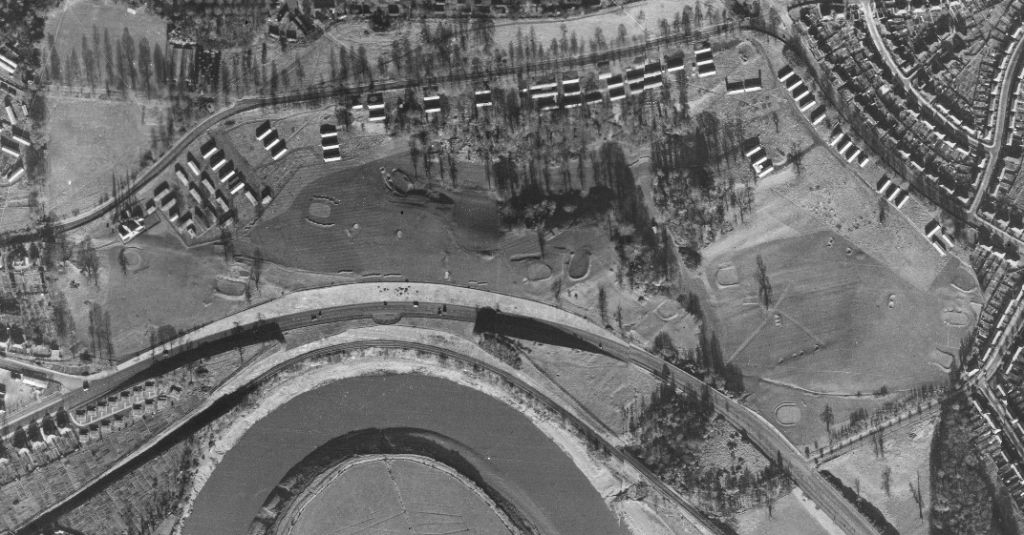
Departing Boston on 24th March 1944 on the E. P. Alexander, the 519th Port Battalion arrived at Liverpool on 5th April. Like most of the young G.I.s travelling to these shores, many initially avoided the English cuisine and just ate whatever rations they had been given. They soon moved down to Bristol by train. The men were either camped at Sea Mills, in Shirehampton or at private houses in nearby places such as Stoke Bishop. Billeting was organised by local police officers with Bristolians having to give up any spare room for an American. Many were understandably nervous (see Megan Liddiat’s experience) of receiving these supposedly brash young Yanks that they’d only seen before in Hollywood films. For the Americans far from home, they anticipated a frosty reception from the stuffy English. In many cases, however, both sides were pleasantly surprised and many close bonds formed between guest and host.
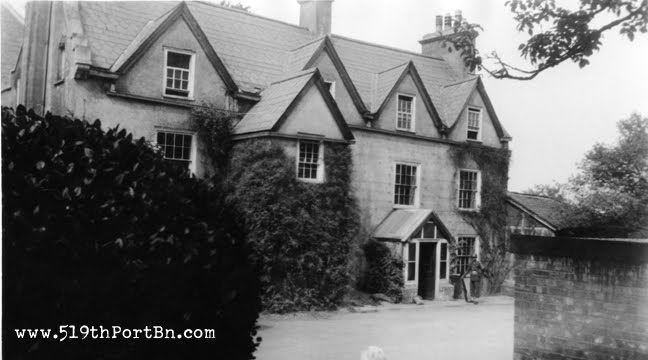
The contributors to the book Longshore Soldiers were white but 70% of the battalion was black, which was common in the Transportation Corps in the US Army. The African American soldiers received a generally warm welcome from the locals but frequently suffered racism from white G.I.s as is told here and here.
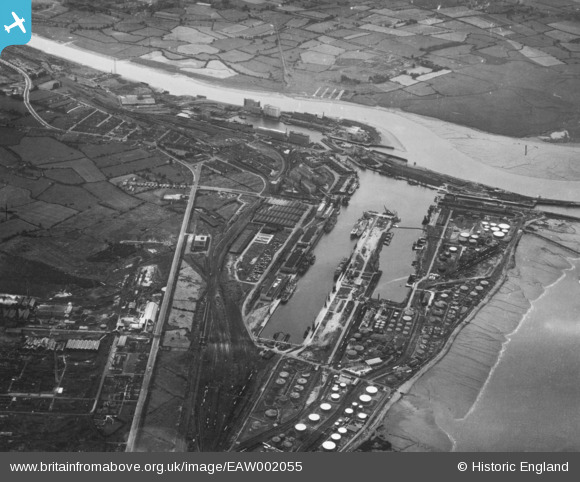
Their days were spent working at Avonmouth Docks unloading the vast quantity of supplies or loading smaller ships in preparation for D-Day. The gruelling work was potentially dangerous with broken arms and legs, crushed fingers and trucks toppling over into the quay.
The G.I.s had strict instructions from their officers that their billets were for sleeping only. They were not to accept food from their hosts, who only had limited supplied due to rationing. All over the city, this barrier was soon broken down. Many enjoyable evenings could be spent with G.I.s sharing stories from back home in America over supper with their Bristolian hosts.
There was also the temptation of the local pub. Members of the 304th Port Company found their way to the Black Swan, Westbury-on-Trym, which was nicknamed then, as now, the Dirty Duck. As with many American servicemen, they were surprised by the long-handled taps and warm beer but soon made the place their own.

The 519th Port Battalion’s stay in Bristol was a short one. On 31st May 1944 they quietly said goodbye to their hosts, marched to the nearby station (probably Sea Mills) and entrained for a marshalling area at Bridgend, South Wales. They were attached to the 1st Engineer Special Brigade and on 2nd June were split with different companies embarking from Newport, Bristol or Southampton. Their destination was Utah Beach on 6th June, D-Day.
Their work involved unloading supplied at Utah Beach for five months before moving up to the port of Antwerp, which was under British control. After VE Day, they feared being sent to the Pacific but were saved by the atomic bomb and subsequent Japanese surrender. For many of the 519th, their war finished with them leaving Le Harve in December 1945 and January 1946 and returned to the US for demobilisation and a return to civilian life.
We’d love to hear your own stories. Please get in touch with us by emailing YanksinBristol@gmail.com
Copyright © 2026 – YanksInBristol.co.uk – No AI – All rights reserved.
 US Military in WW2 Bristol